| Publisher |
DAYA PUBLISHING HOUSE |
| Publication Year |
1992 |
| ISBN-13 |
9788170351092 |
| ISBN-10 |
817035109X |
| Binding |
Hardcover |
| Number of Pages |
191 Pages |
| Language |
(English) |
| Subject |
Political Science |
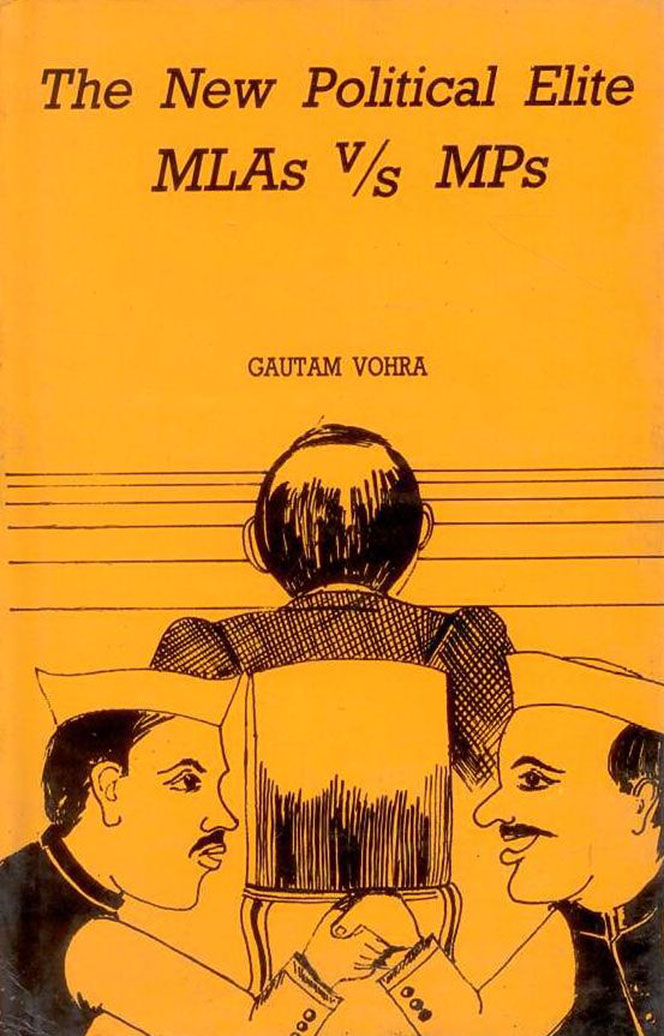
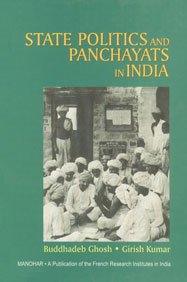
The MLA enjoys more power and privileges than any other elected representative. As head of various development bodies in his constituency with a substantial development fund made available to him by the government, he is a major agent of change. In contrast the MPs status has diminished even as has his role. He is no longer in a position to influence policy; his perorations in Parliament remain ignored and his advice unheeded, unless of course he makes it as a minister. But how many do. Thus the new political elite, it is argued by the author, are the state legislators whose functions can enable them to transform their constituencies. Those in the rural areas, with the aid of co-operatives, in particular sugar co-operatives, have done precisely that, making their region unrecognisable from a decade or two ago. The nature of the MLAs has altered even as the society in which they
operate. As the latter grows more complex, the role of the Vidhan Sabha representative has become that much more diverse and it is the ability of the MLA to recognise this as an opportunity that enables him to increase his impact even as it enhances his personal status and influence.'



Gautam Vohra
DAYA PUBLISHING HOUSE